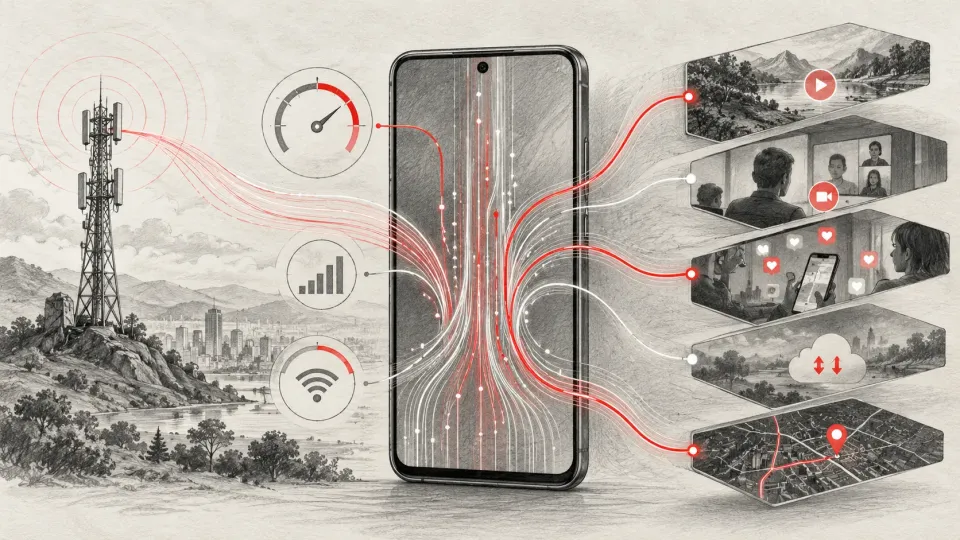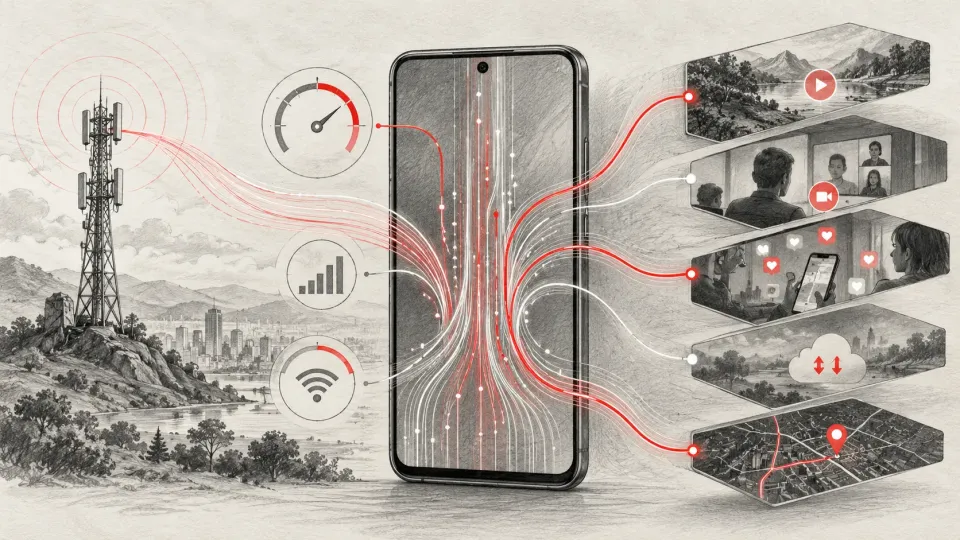

Animation can explain a state change, show relationships between elements, and make a response feel tangible. It can also delay an action, consume resources, and trouble people with motion sensitivity.
When motion has a purpose
- it shows where a new element came from;
- it explains that a request is in progress;
- it confirms completion;
- it supports spatial orientation between screens.
If animation adds no explanation or feedback, it is probably decorative. Decorative motion should be short, should not block the primary action, and should simplify when the system requests reduced motion.
Test more than beauty
Compare time to complete a journey with and without the animation. Test low-end devices, resume after interruption, and rapid repeated taps. Android quality guidance connects a good experience with perceived speed and clear system state.
The goal of animation is not to demonstrate team skill. It is to help users understand what happened. If motion makes waiting longer, it is working against the product.
Source: Android Developers: What a great user experience looks like.